Two-Storied Pagoda
1935
This article can be read in about 2 minutes.
The square and the circle superimposed,
a symbol of the Shingon sect
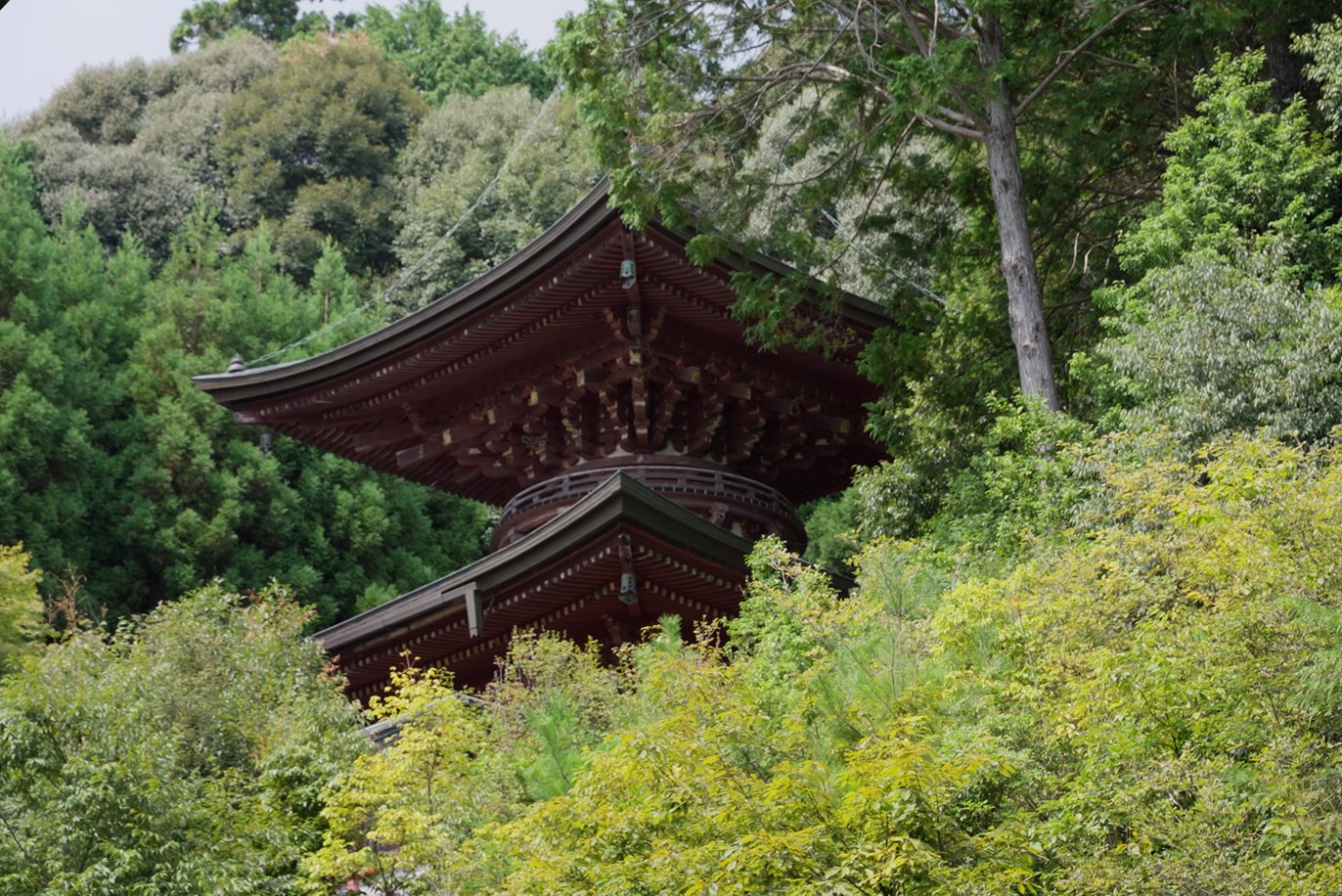
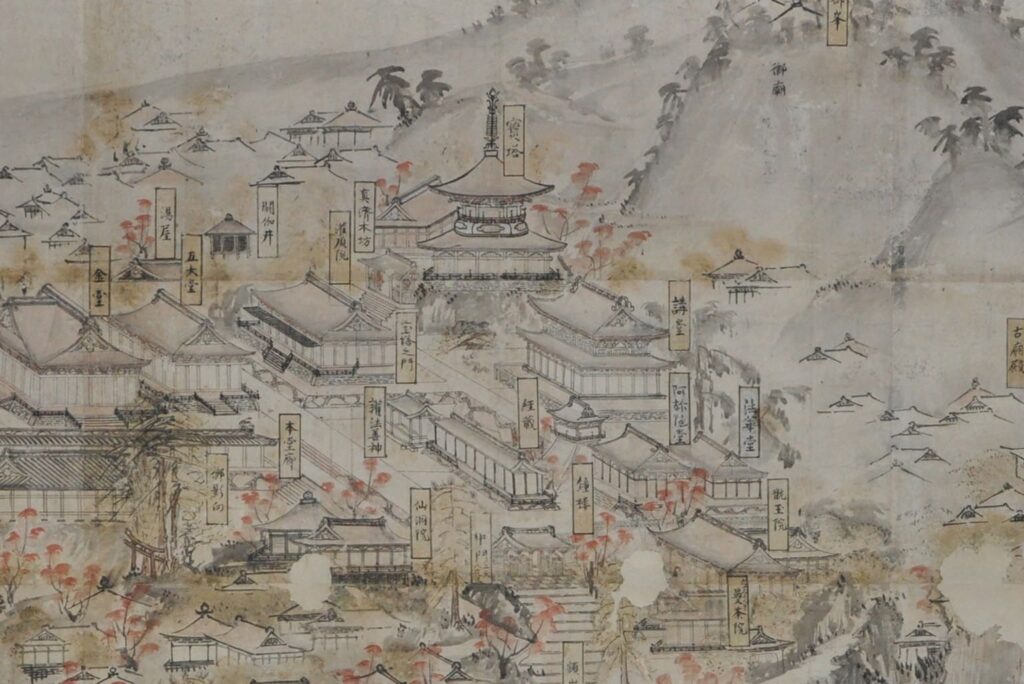
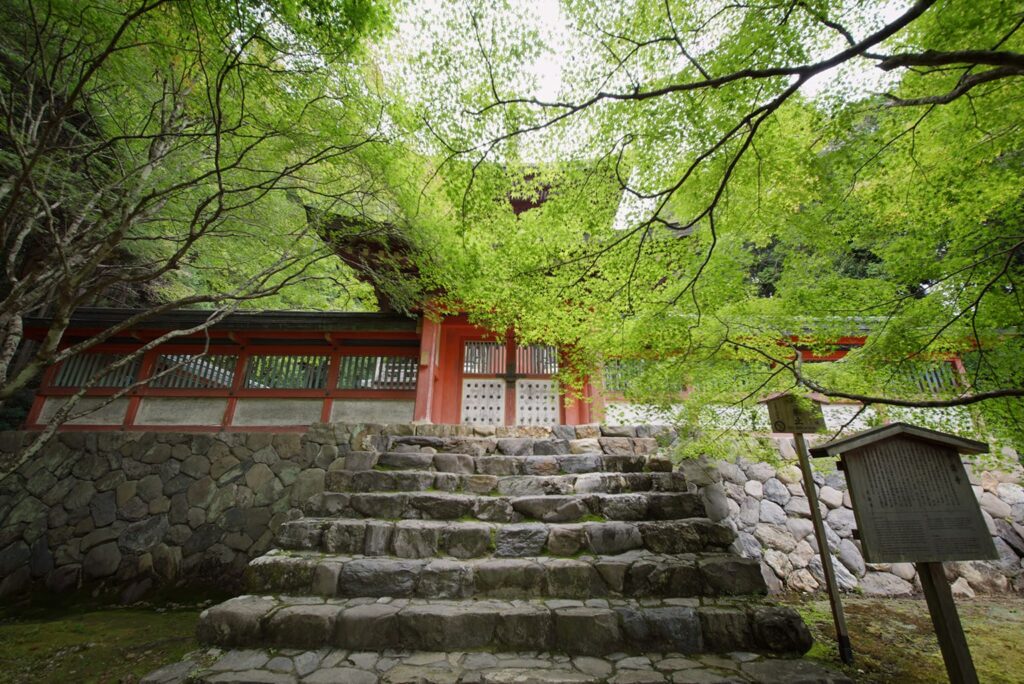
This two-storied pagoda stands on a hill behind the Kondō Hall, quietly nestled among cherry and maple trees. It was constructed during large-scale reconstruction of the temple in the early Shōwa era (1926–1989). Excavations performed during reconstruction revealed the remains of an older pagoda, indicating that this site had been home to a pagoda centuries before.
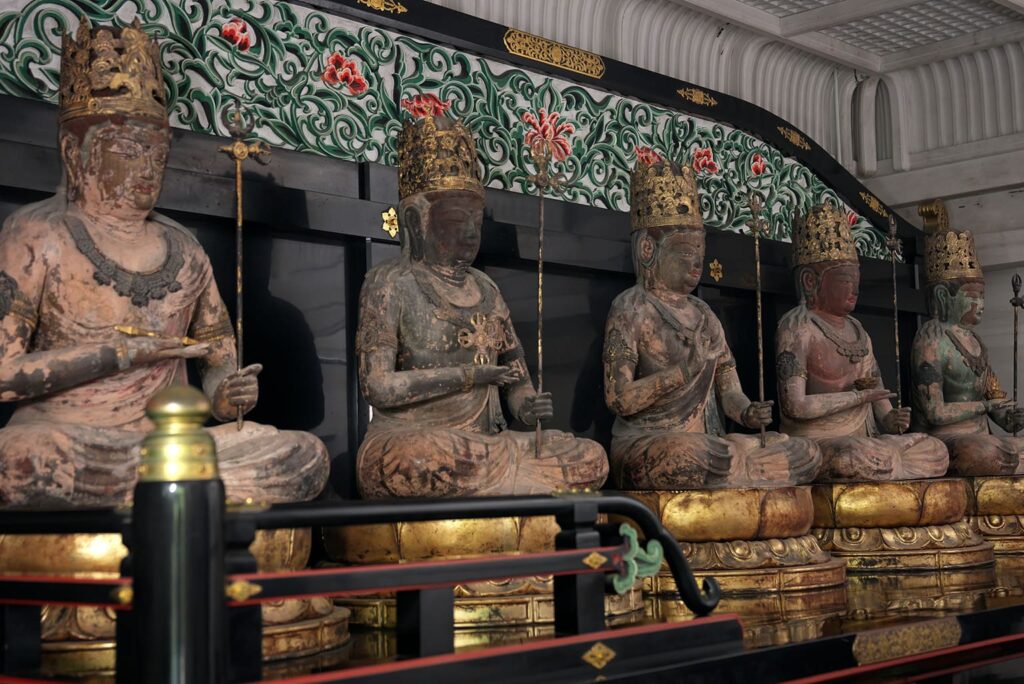
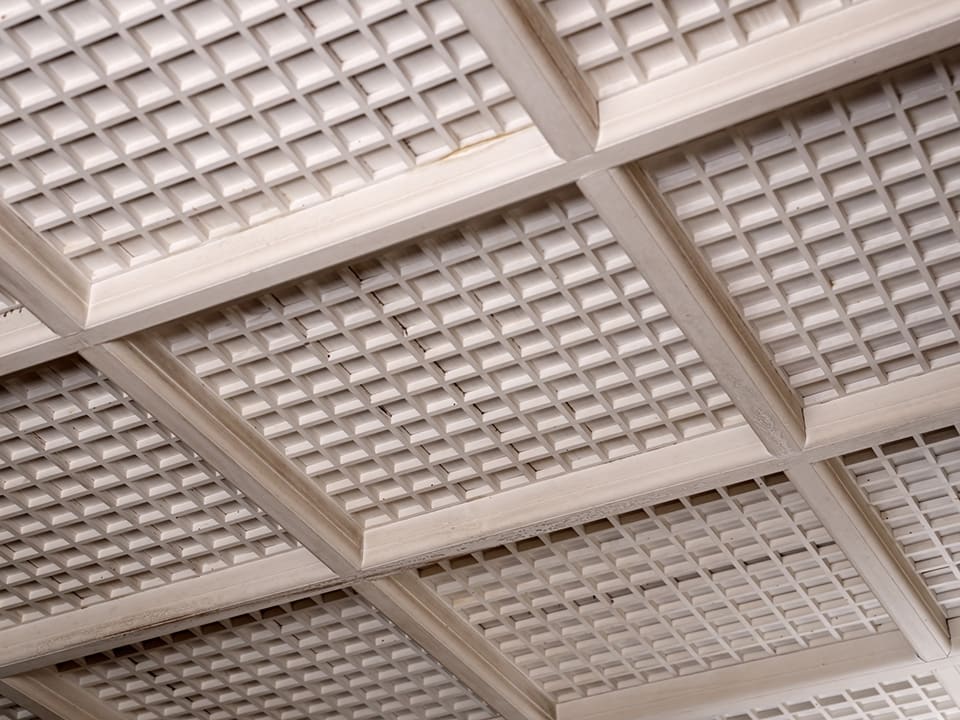
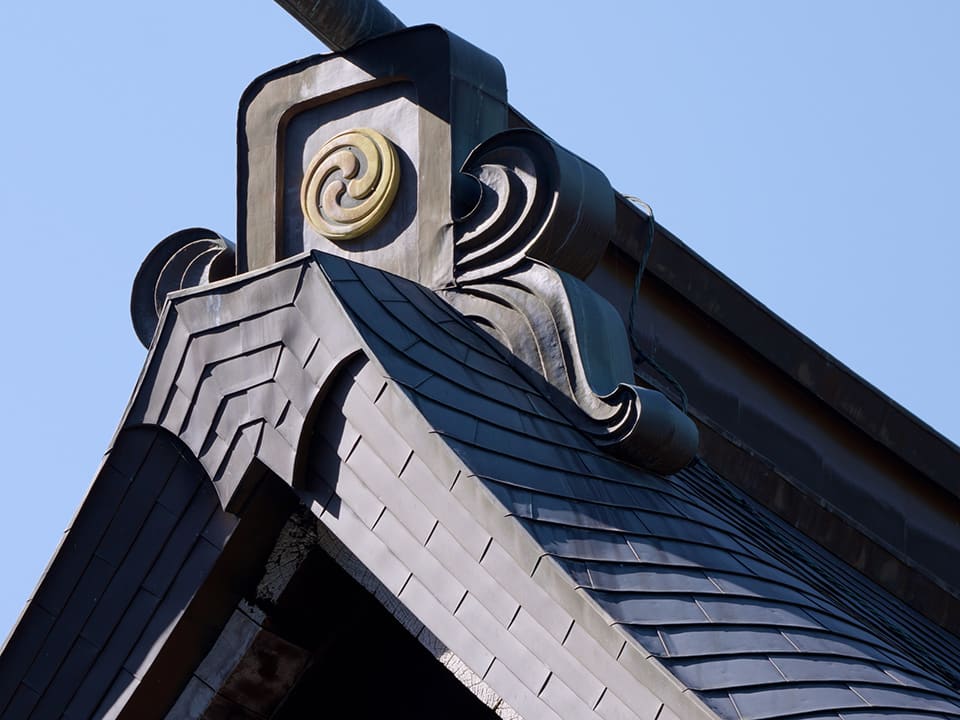
The pagoda’s unique structure, a square lower level and a circular upper level, is often seen in Shingon temples. It has a pyramid roof with copper tiles and an exquisitely crafted coffered ceiling with small decorative panels. Inside, the statues of the Five Great Manifestations of the Bodhisattva Kokūzō (Akasagarbha), collectively designated a National Treasure, are enshrined in a row on the back wall.
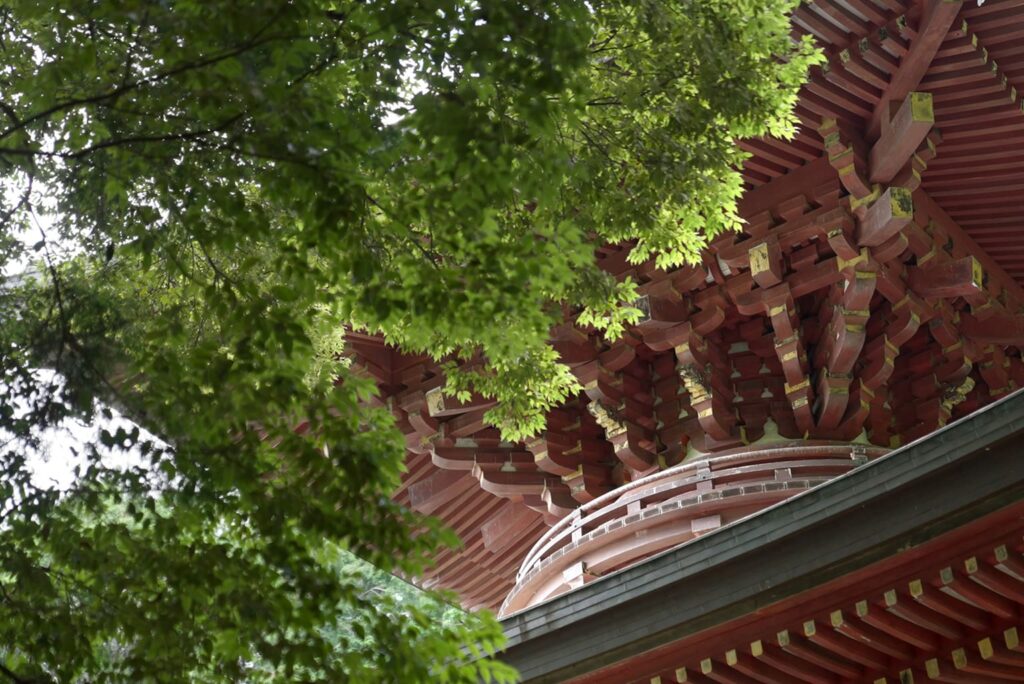
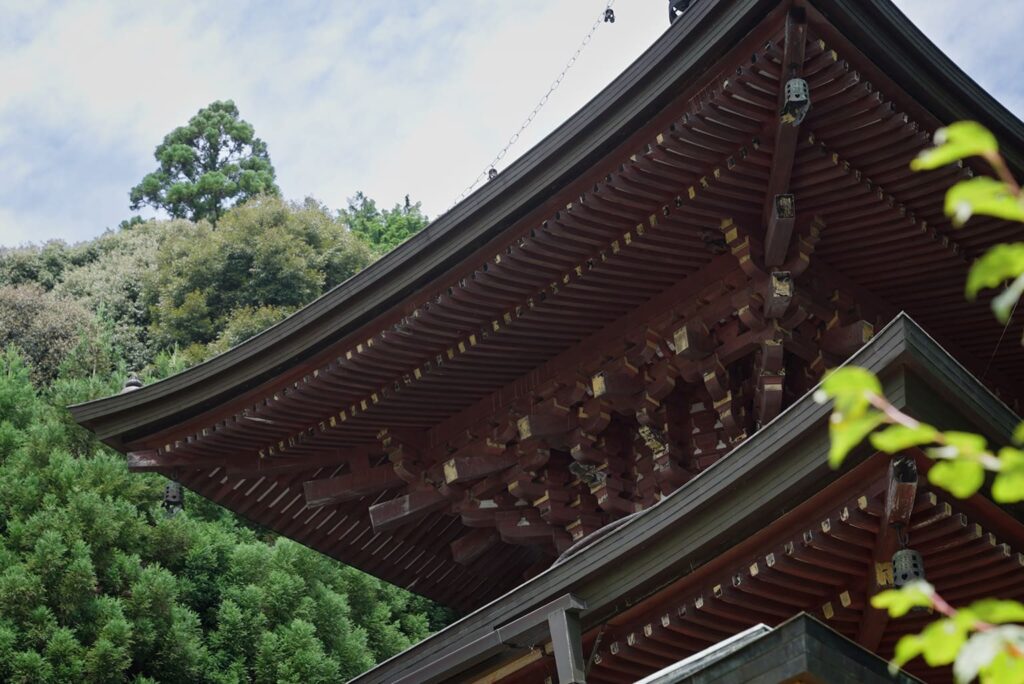
The building is an excellent example of Showa-era Esoteric Buddhist architecture that has inherited styles from the Kamakura (1185–1333) and Muromachi (1392–1573) periods.
Muromachi period
The period when the Ashikaga clan took power and founded the shogunate in Muromachi, Kyoto. It refers to approximately 180 years from 1392 when the Northern Imperial Court and Southern Imperial Court united until 1573 when Yoshiaki, the 15th Shogun was defeated by Oda Nobunaga. The late Muromachi period that came after the Coup of Meio (1493) is also called the Sengoku (Warring States) period. Some historians include the Northern and Southern Courts period (1336–1392) with the early Muromachi period.
coffered lattice ceiling
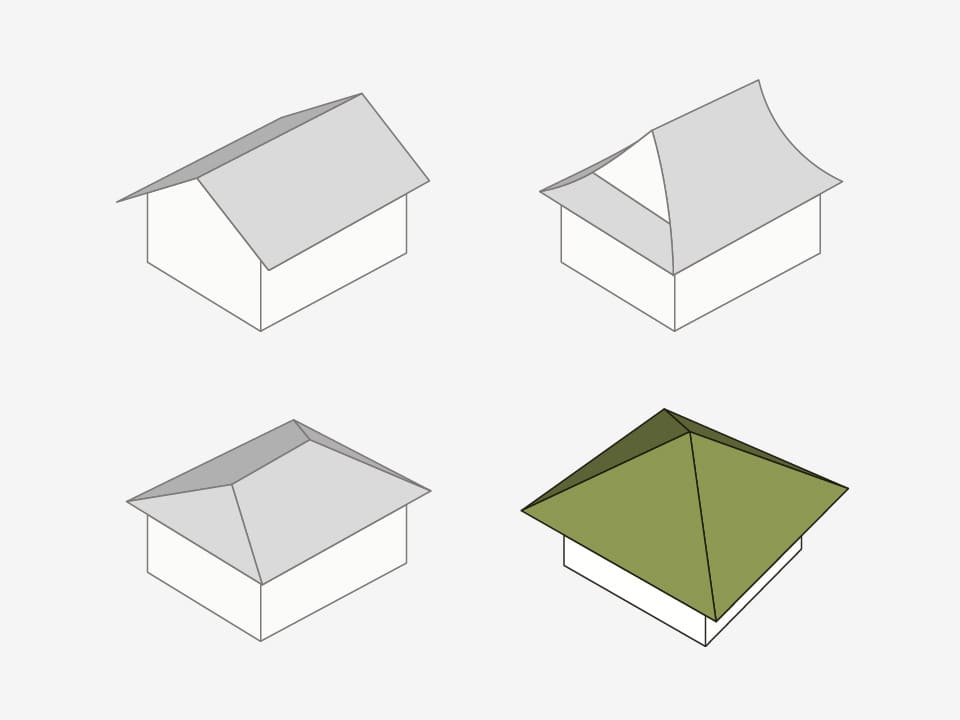
hipped roof
A roof structure in which the four sides slope evenly, with the ridges converging into one point at the top, creating a pyramid shape. This traditional roof style is used on temple structures such as Buddhist halls, sutra repositories, and the upper level of pagodas.
Shingon Buddhism
A Buddhist sect founded by Kukai, who established Mt. Koya as a place of worship.
copper roofing
Shōwa period
The Shōwa period (1926–1989) corresponds to the reign of Emperor Shōwa (Hirohito) (1901–1989), the 124th emperor of Japan.
Kamakura-period
The roughly 150-year period from the founding of the Kamakura shogunate by Minamoto no Yoritomo to the fall of the shogunate, marked by Hojo Takatoki’s suicide in 1333.
MOVIE
Experience the video to get one step closer.
This video, accompanied by narration, introduces the charms of Two-Storied Pagoda. Experience its charms even more deeply through the video.
Duration: (audio included)


Please take part in the survey.
Takes about 30 seconds