National Treasure
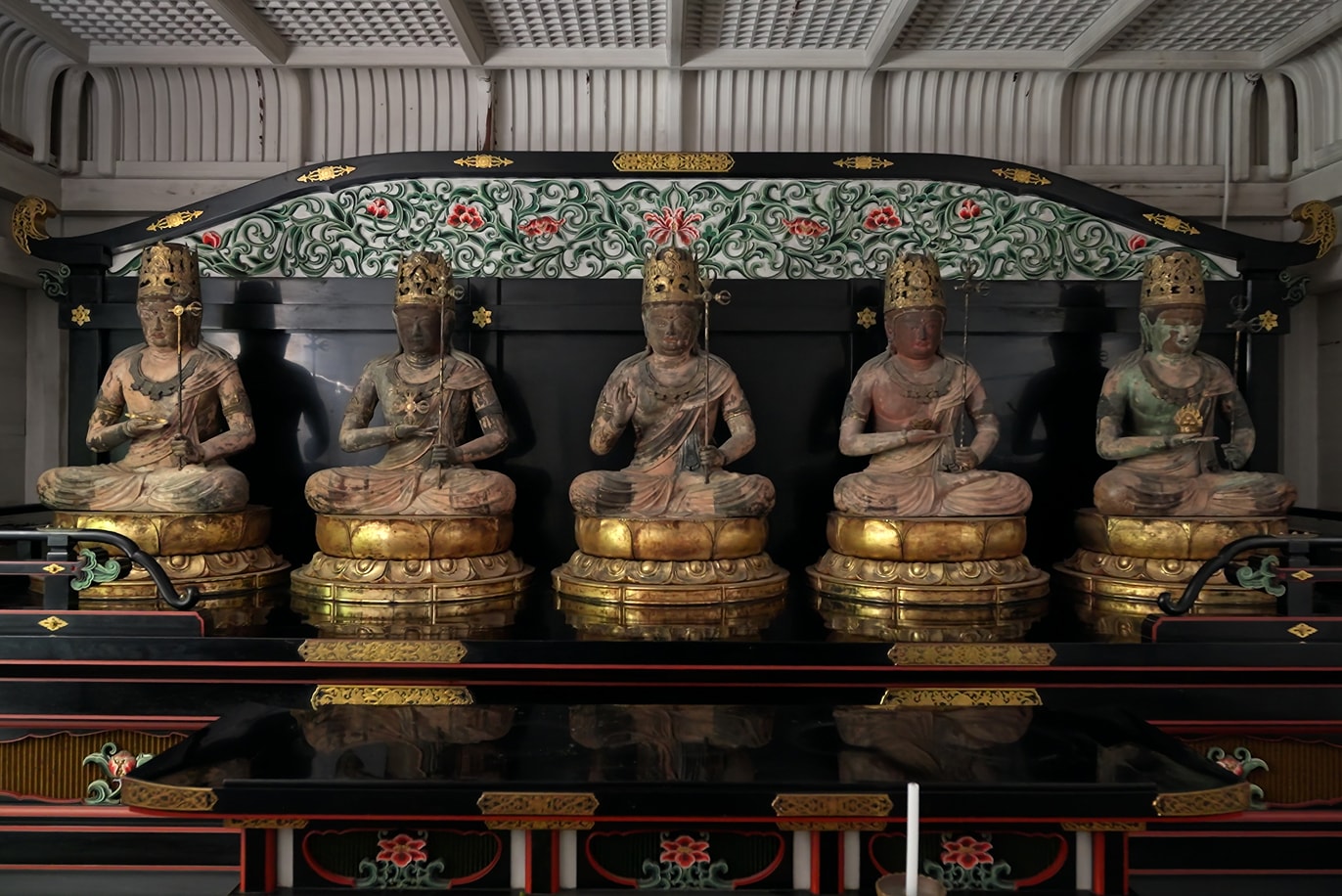
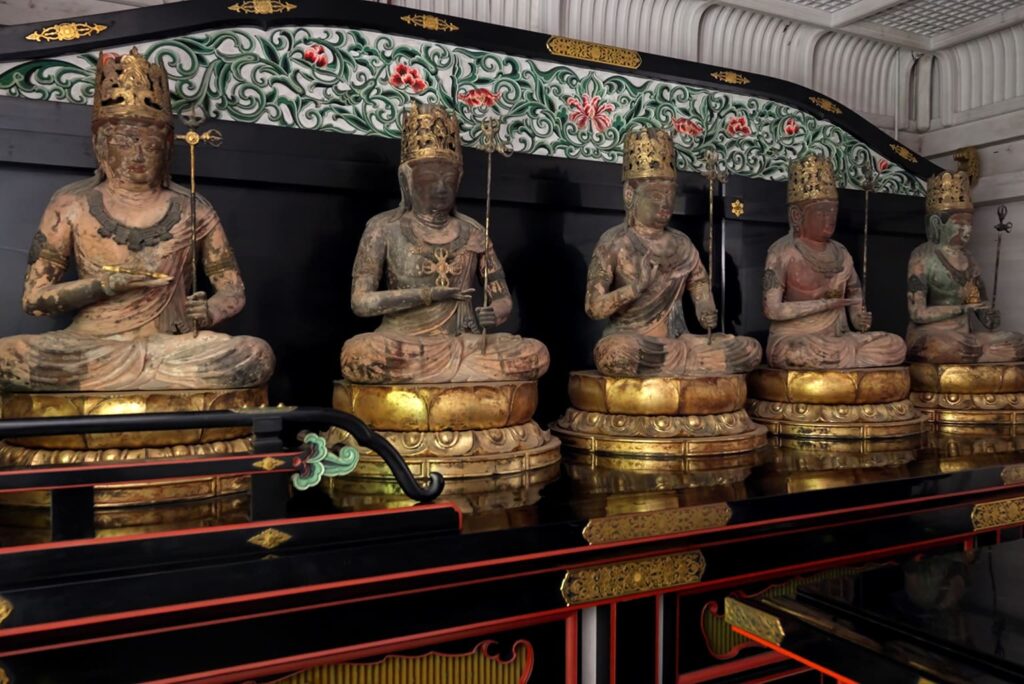
Seated statues of the Five Great Manifestations of the Bodhisattva Kokūzō (Akasagarbha)
Heian period
Wood, polychrome
5 figures
Statue height: 101.4 cm (Hokkai Kokūzō)
This article can be read in about 2 minutes.
Symbol of protection and good fortune,
mind and body resonate together
These five statues, revered as the principal objects of worship at Jingoji Temple’s Hōtōin Temple, can be traced to the Heian period (794–1185). Construction of Hōtōin began at the order of Emperor Ninmyō (808–850).
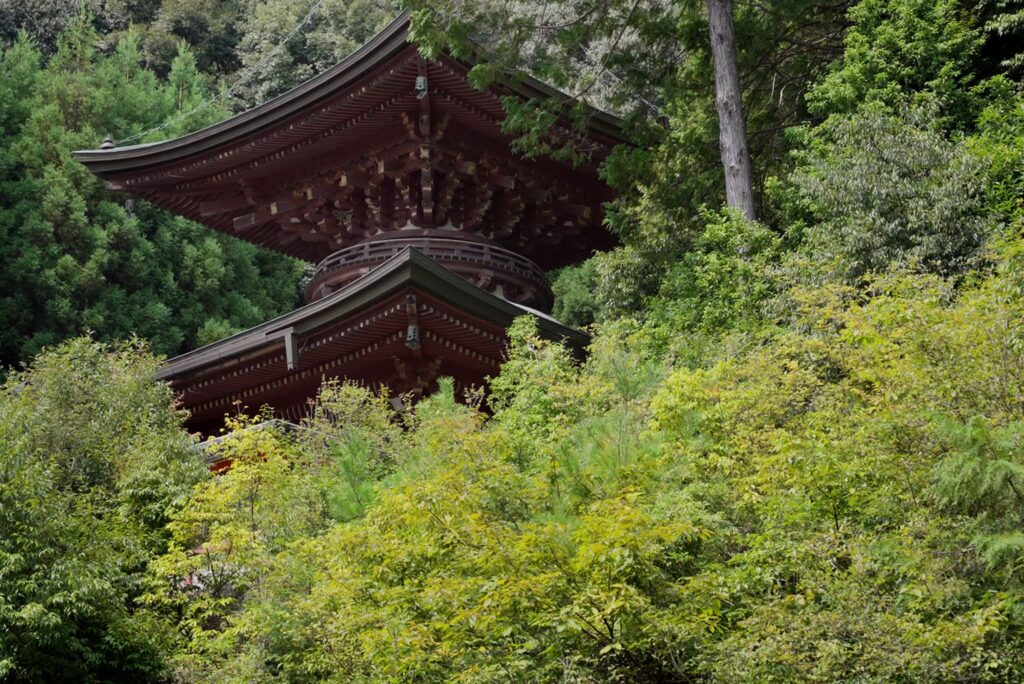
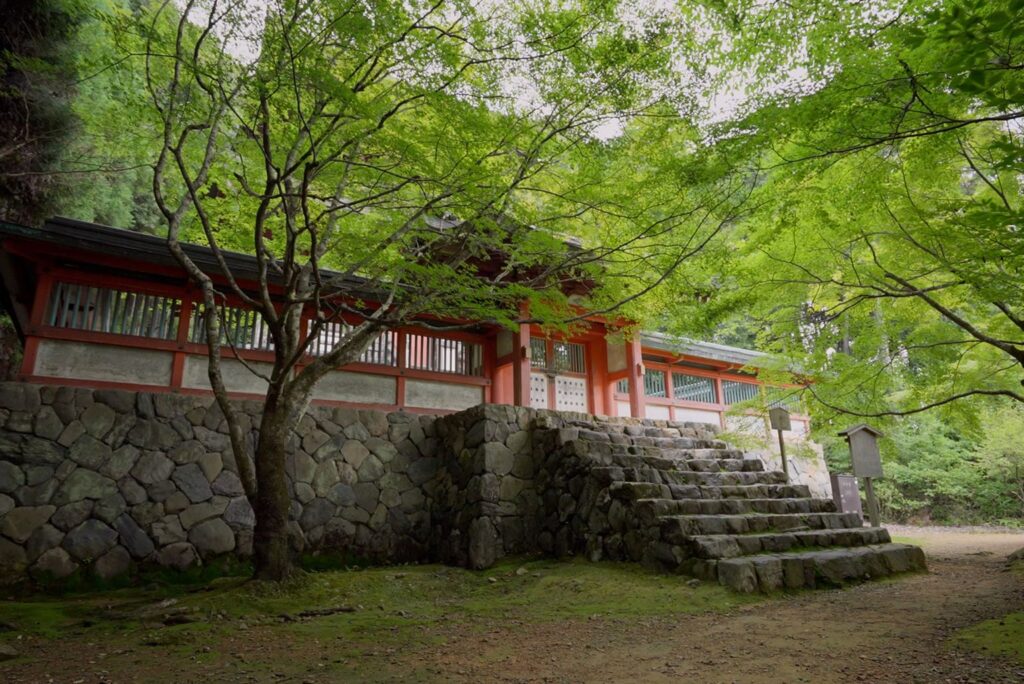
Inside the temple’s two-storied pagoda are statues of the Five Great Manifestations of the bodhisattva Kokūzō (Akasagarbha). These five deities are sometimes regarded as transformations of the Five Wisdom Buddhas and are said to dispel misfortunes and grant blessings.
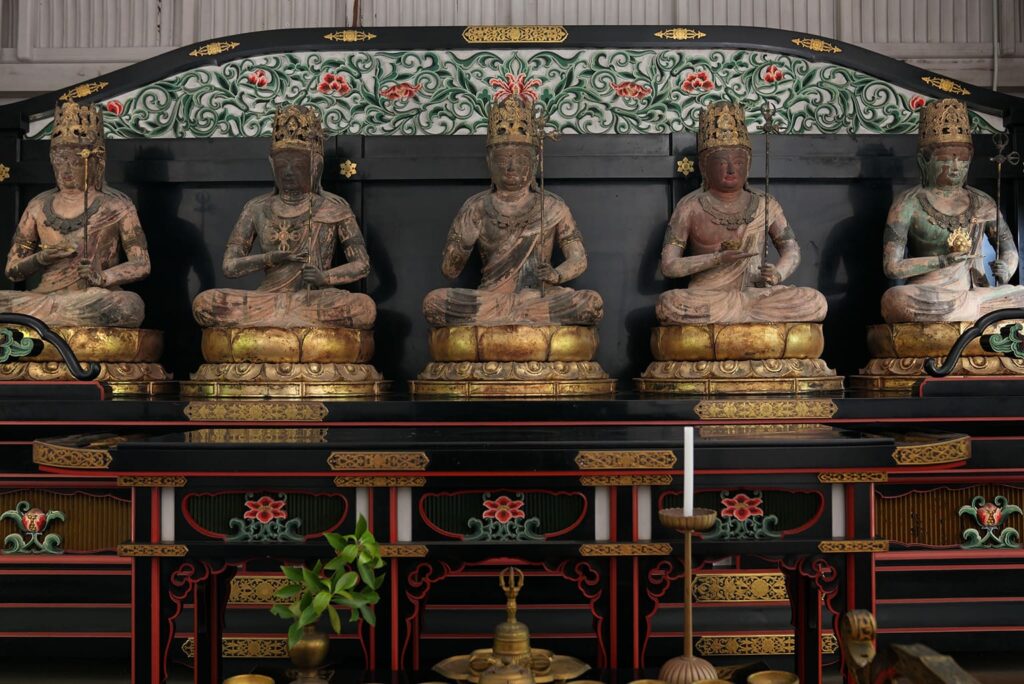
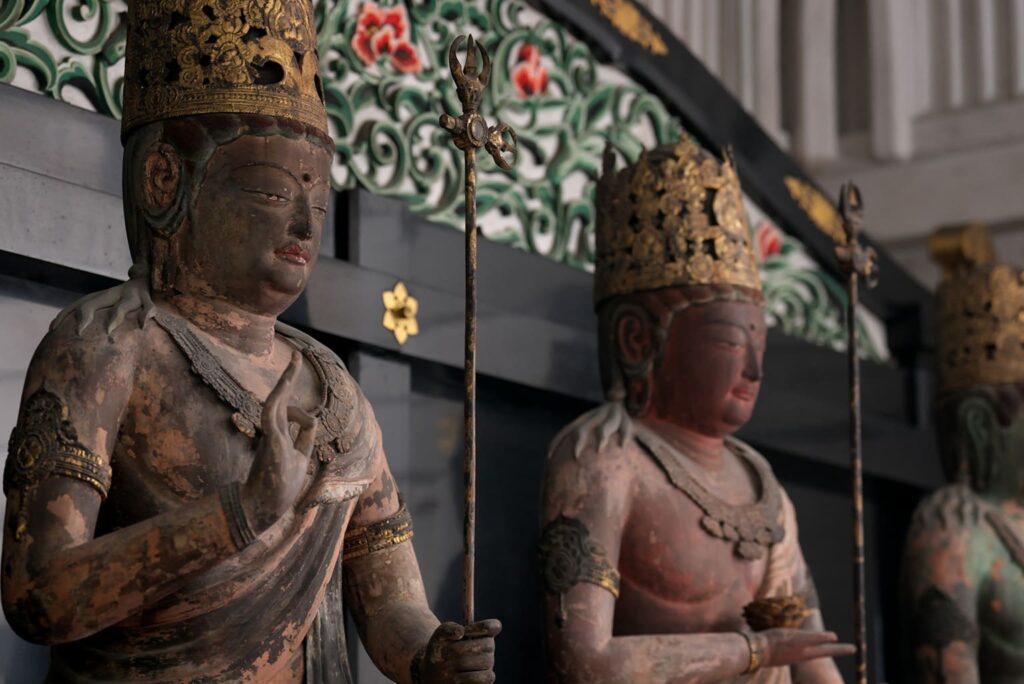
Though similar at first glance, the statues can be distinguished by their mudras and the implements held in their hands. Their skin is painted white, yellow, green, red, and black. Originally, they were arranged like a three-dimensional mandala, with four of the statues surrounding the main manifestation of Kokūzō, but today the five statues are positioned in a straight line.
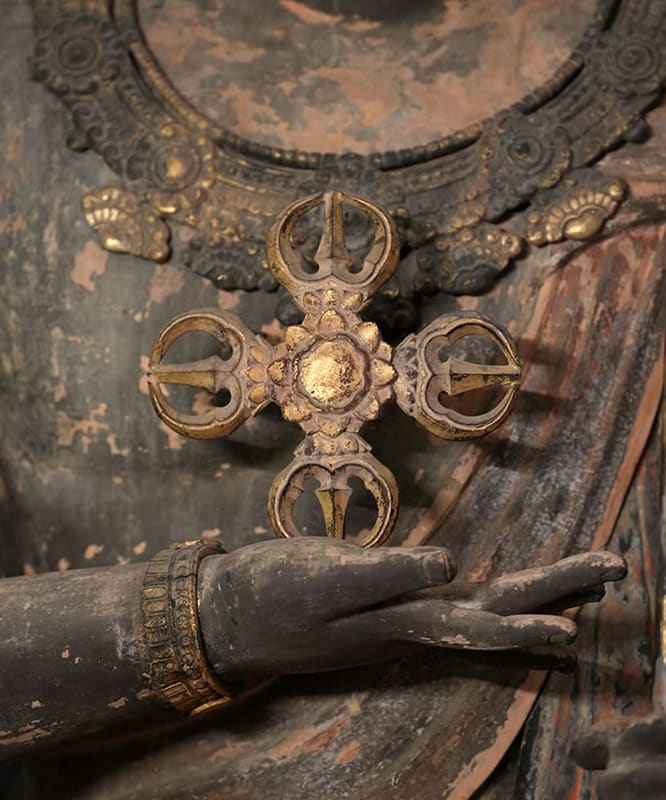
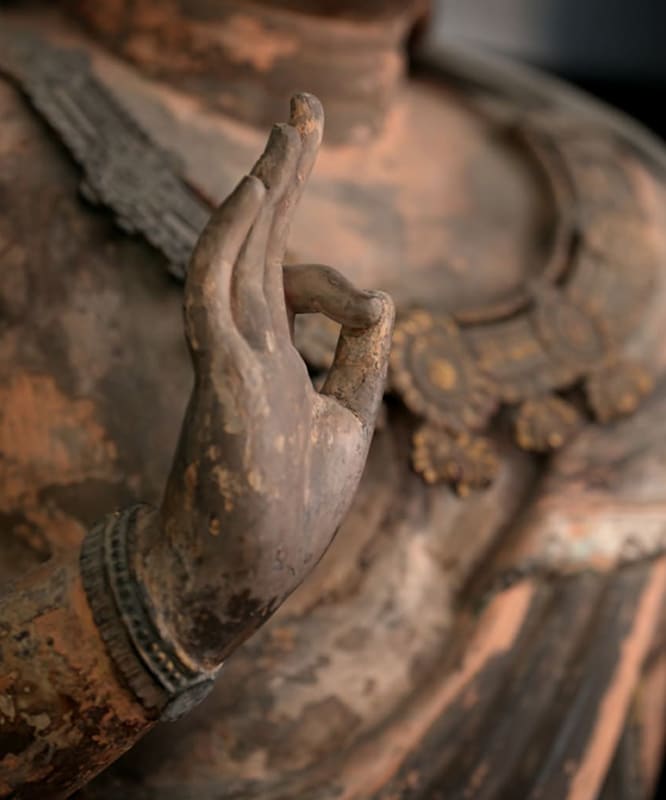
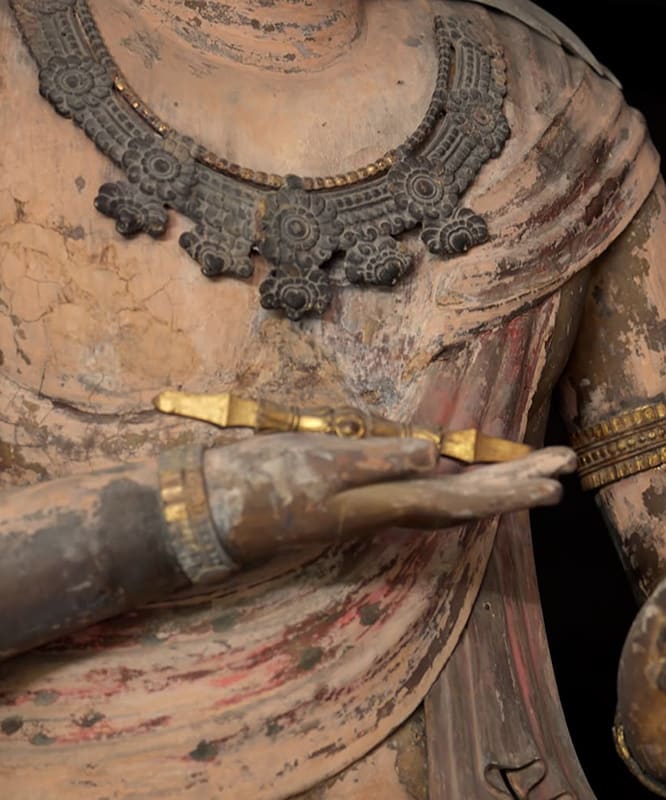
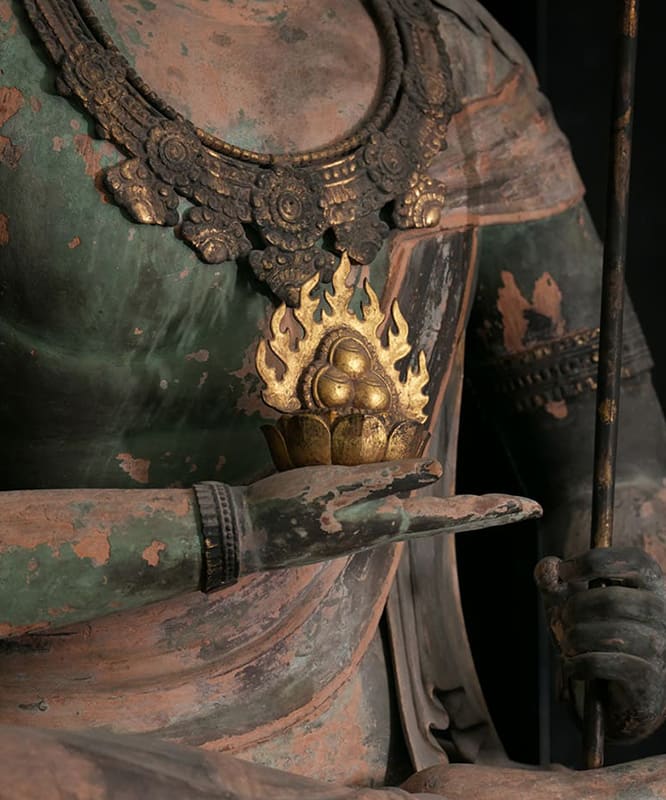
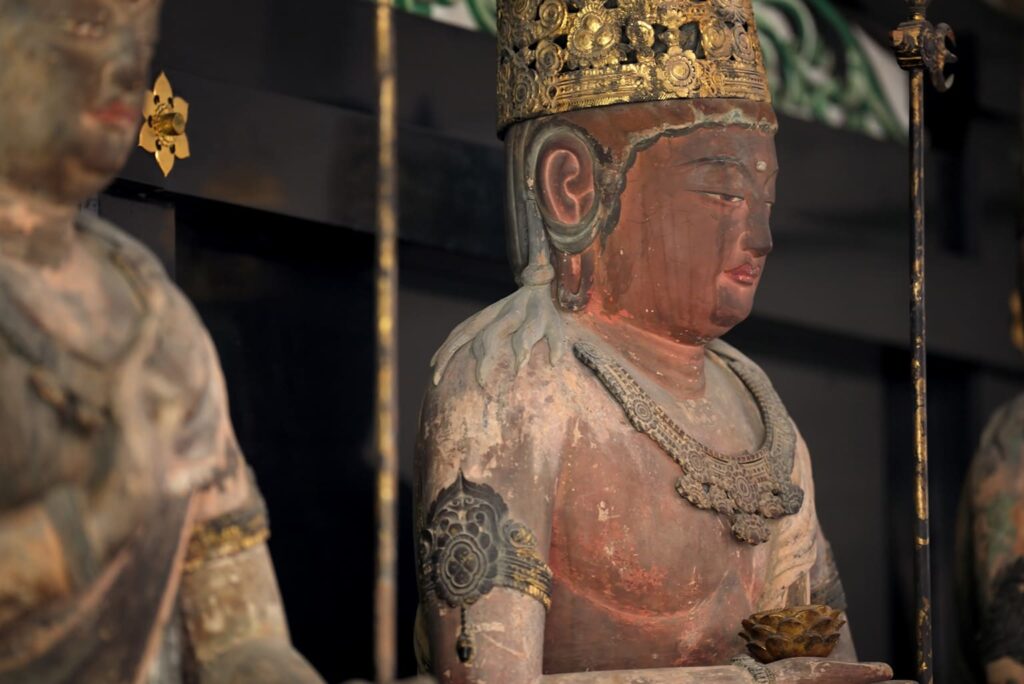
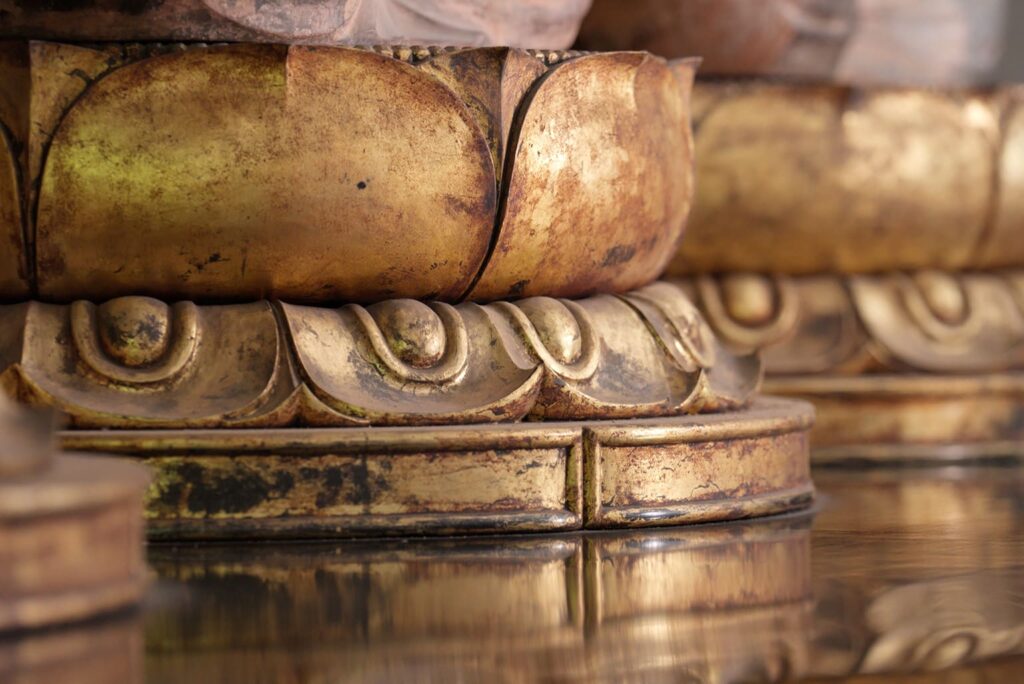
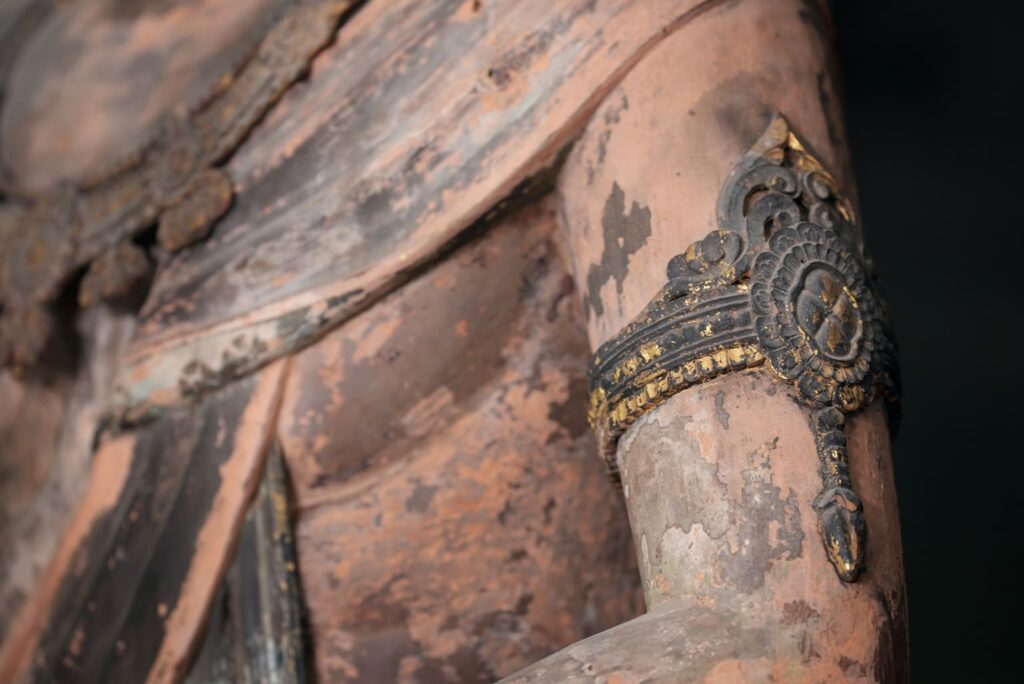
Each statue was carved from a single block of wood with the exception of the arms and was finished with kokusō lacquer. The colors that decorate the statues are from a repainting at the end of the ninth century. While some of the jeweled crowns, ornaments, pedestals, and halos have been lost or replaced over time, these statues remain celebrated masterpieces of Esoteric Buddhist sculpture.
mandorla
A mandorla, the egg-shaped halo behind a Buddhist statue, represents the light shining out from behind bodhisattvas and the Buddha. It symbolizes the holiness and spiritual power of the Buddhist deities.
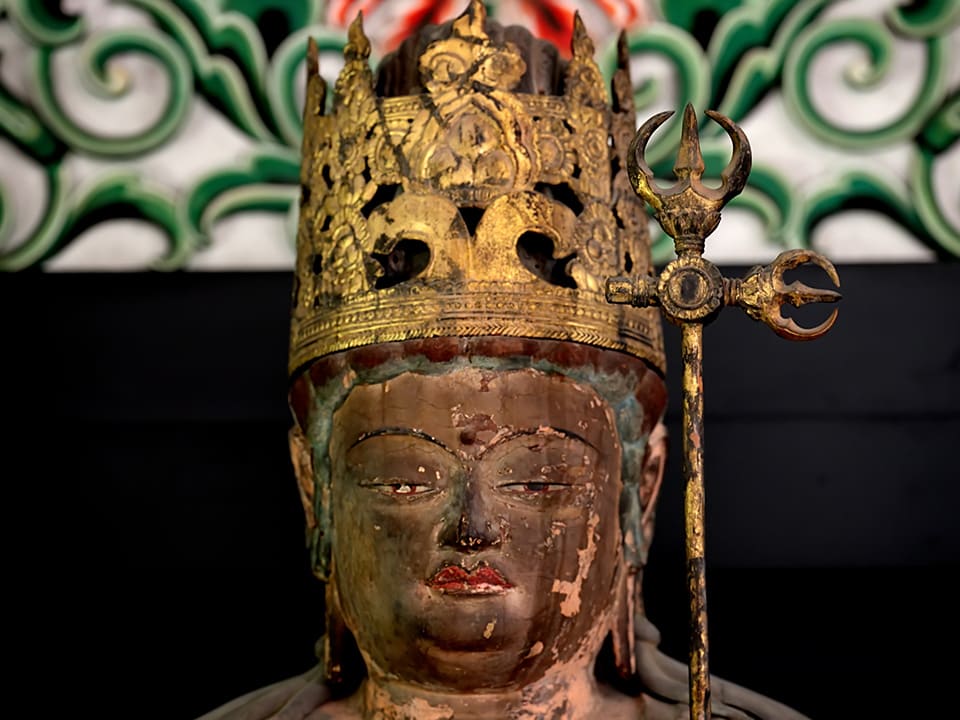
Coronet
This is a decorative crown placed on the head of Buddhist statues, especially statues of bodhisattvas.
wood powder and lacquer mix
A mixture of lacquer glue and wood powder. It serves to bond cracks and joints, and is utilized in the creation and repair of Buddhist statues.
single-block wood carving (ichiboku-zukuri)
A wood carving technique where the main parts of the head and body of the statue are carved from a single piece of material.
statue mandala
Unlike the typical two-dimensional painted Buddhist mandala, this mandala is three dimensional and is depicted using a group of Buddhist statues.
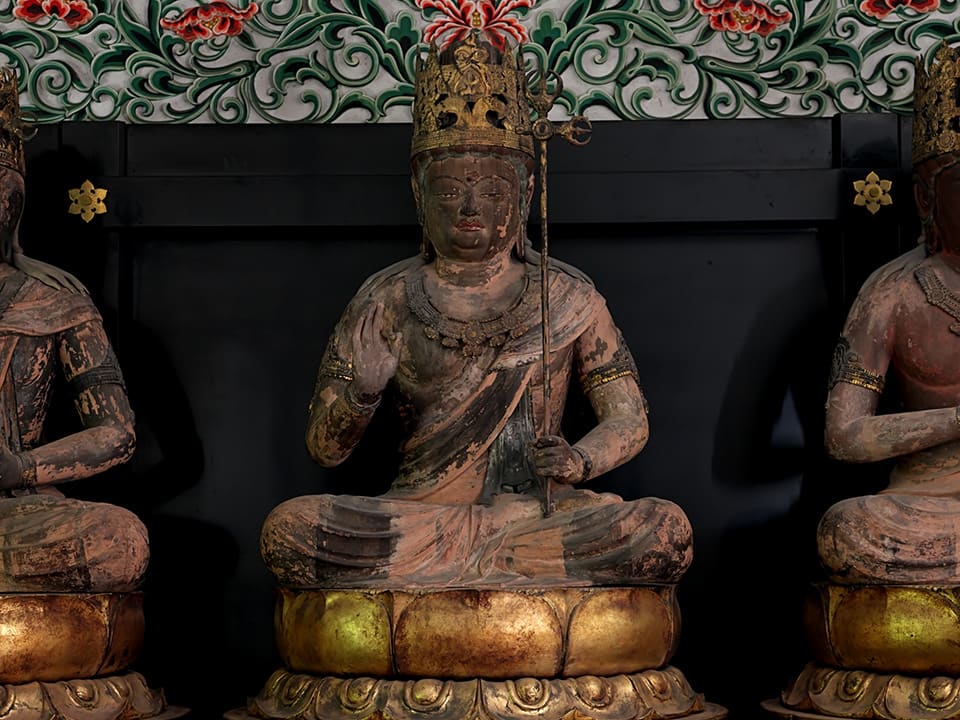
Hokkai Kokūzō (Ākāśagarbha)
This is an important Esoteric Buddhist image of Kokūzō (Ākāśagarbha). It is placed in the center and presides over the Five Great Kokūzō as the principal image.
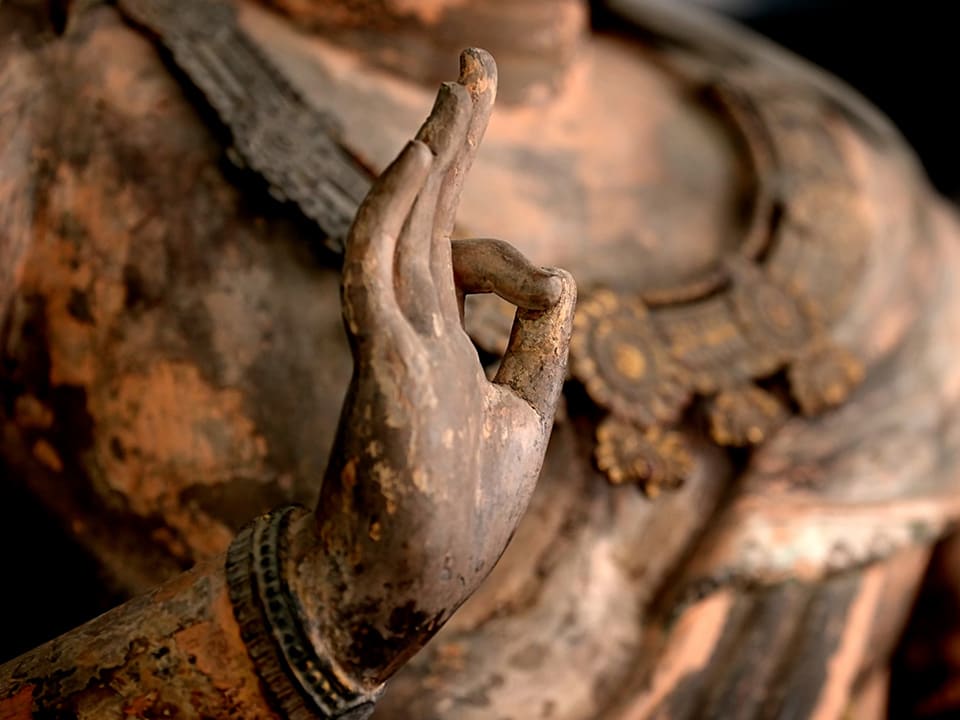
mudra hand gesture
In Buddhism, various hand gestures are formed with the fingers, symbolically representing religious concepts.
Five Great Buddhas
The Five Wisdoms possessed by Dainichi Nyorai are said to be distributed among the Five Buddhas of the Diamond World. These Five Wisdom Buddhas of the Diamond World are represented by five figures: Dainichi Nyorai, Ashuku Nyorai, Hosho Nyorai, Amida Nyorai, and Fukujoju Nyorai.
Five Great Kokūzō (Ākāśagarbha)
This is a group of five statues of Kokūzō (Ākāśagarbha), a bodhisattva worshipped in Esoteric Buddhism. The five statues are placed in each of the five cardinal positions (north, south, east, west, and center). Kokūzō symbolizes wisdom and good fortune and is an important part of Esoteric Buddhist mandalas and rituals.
Hōtōin Temple
This is a building that once existed at Jingoji Temple. Emperor Ninmyō decreed its construction in the mid-Heian period (794–1185).
Emperor Ninmyō
Emperor Ninmyō (808–850) was the fifty-forth emperor of Japan and reigned from 833 to 850. He was the son of Emperor Saga (784–842). His reign saw the development of Esoteric Buddhism and the political rise of the Fujiwara family.
Heian period
The Heian period lasted for approximately 400 years between the transfer of the capital to Heian-kyo (present day Kyoto) by Emperor Kanmu in 794 and the foundation of the Kamakura Shogunate in 1185. The period is often divided into three sections: the Early, Mid- and Late Heian periods. In other words, the period of reviving the political system based on Ritsuryo codes, the regency period and the Insei period (governed by a retired emperor), respectively. (The end of the Late Heian period was ruled by the Taira clan.) Also referred to as the period of the Heian imperial court.
MOVIE
Experience the video to get one step closer.
This video, accompanied by narration, introduces the charms of Seated statues of the Five Great Manifestations of the Bodhisattva Kokūzō (Akasagarbha). Experience its charms even more deeply through the video.
Duration: (audio included)


Please take part in the survey.
Takes about 30 seconds